Why the Classic Hot Dog Never Goes Out of Style

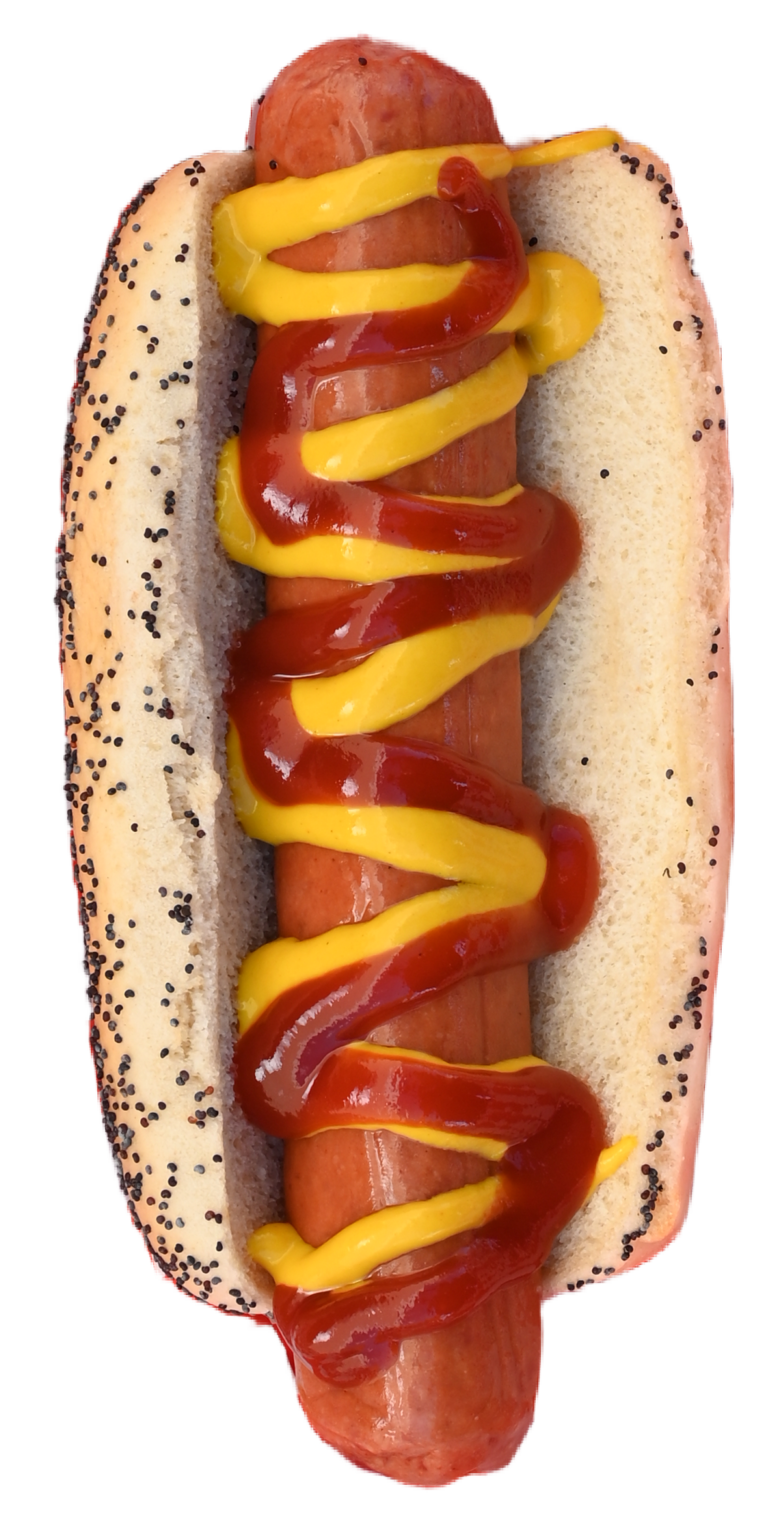
There are more fashionable foods than the hot dog. There are more expensive foods, more photogenic foods, and certainly more ambitious foods. Yet few can match its staying power. The classic hot dog has survived changing diets, restaurant trends, and generations of culinary one-upmanship without losing its place. It remains one of the rare foods that can be deeply personal, widely shared, and instantly understood.
That kind of longevity does not happen by accident. Foods endure when they solve several problems at once. The hot dog is quick to serve, easy to hold, affordable to buy, and endlessly adaptable. It belongs at a baseball game, a backyard cookout, a roadside stand, a county fair, and a city cart parked on a cold corner. It can be plain and almost austere, or loaded with condiments until it becomes a local signature.
What keeps it relevant, though, is not only convenience. The classic hot dog works because it sits at the intersection of comfort, ritual, and craft. It is simple enough to invite nostalgia and flexible enough to absorb change. That combination is rare in food, and it explains why people keep coming back to it even when they have every reason to move on to something newer.
Simplicity is harder than it looks
A truly classic hot dog is a lesson in restraint. At its https://alexisopuc229.zenbloomer.com/posts/hot-dog-recipes-kids-and-adults-will-both-love core, it is sausage, bun, heat, and a few chosen toppings. That sounds almost trivial until you start paying attention to the details. The snap of the casing matters. The seasoning matters. The bun must be soft enough to compress around the sausage without disintegrating halfway through the meal. Even the temperature balance matters. A lukewarm dog in a stale bun is forgettable. A properly cooked one, served hot in a fresh bun, lands very differently.
This is one reason the best hot dog vendors and grill cooks often inspire such loyalty. They understand that the dish offers nowhere to hide. In a stew, a sandwich with a dozen ingredients, or a heavily sauced plate, small flaws can disappear. With a hot dog, the margins are tight. Too much time on the grill and the casing splits dry. Too little heat and the fat has not rendered enough to bloom the flavor. Pile on too many toppings and you smother the dog itself. Underseasoned chili, watery sauerkraut, or a bun pulled from a bag three days too late can drag the whole thing down.
People often call the hot dog basic when what they mean is familiar. Familiarity can disguise skill. Ask anyone who has worked a grill for a busy lunch rush. Getting out a hundred hot dogs that are all evenly cooked, all tucked into warm buns, all dressed to order, and all served quickly is a genuine craft. The food may be humble, but the execution is not.
It is one of the most democratic foods ever invented
The classic hot dog has an unusual social range. It can be bought for pocket change at a discount store counter or ordered from a chef who grinds specialty cuts and bakes brioche buns in-house. That range is part of its appeal, but its true strength is that the basic pleasure survives across price points.
A lot of iconic foods become exclusive over time. They start simple, then drift into luxury through ingredients, branding, or trend cycles. The hot dog resists that drift better than most. Even when someone makes a premium version, the original remains intact. A person eating a plain mustard dog from a stadium stand and another eating a house-made version with fermented relish are still participating in the same broad food tradition. Neither cancels the other out.
That accessibility matters more than people sometimes admit. Good food culture is not built only by prestige dining. It is built by foods that different kinds of people can enjoy without ceremony. The hot dog asks for very little. You do not need special utensils, a reservation, or a long explanation. It rewards appetite, not expertise. That straightforwardness gives it staying power in a culture that often overcomplicates eating.
It is also one of the few foods that can bridge age groups without strain. Children understand it immediately. Teenagers inhale it after games. Adults keep ordering it because it still satisfies. Older diners often return to it because it carries memory as much as flavor. Very few dishes move that easily across life stages.
Nostalgia helps, but it is not the whole story
Memory plays a major role in the classic hot dog’s appeal. For many people, the taste is tied to summer evenings, paper trays, cheap napkins, and the smell of charcoal in a park. You hear the hiss of a grill and the memory arrives before the first bite. That emotional shorthand is powerful.
Still, nostalgia alone cannot keep a food alive for this long. Plenty of foods trigger childhood memories but remain occasional curiosities. The hot dog persists because it still performs in the present. If someone strips away the sentiment and judges it strictly as something to eat, it holds up. The savory richness, the soft bun, the acidity of mustard or relish, the little pop of onion or kraut, all of it makes sensory sense.
That is worth emphasizing. A classic hot dog is not merely tolerated because it reminds people of better days. It is actively pleasurable right now. The best versions deliver contrast in texture and balance in flavor with remarkable efficiency. You get salt, fat, smoke, tang, softness, and chew in a compact package that can be eaten while standing, walking, or talking.
When a food carries memory and still tastes good on its own terms, it has a serious advantage. It can comfort without becoming stale.
Regional pride keeps the format fresh
One reason the hot dog never feels entirely frozen in time is that different places have shaped it according to local taste. The result is a dish with a recognizable identity but endless local accents. That balance between consistency and variation is exactly what many enduring foods need.
A Chicago dog speaks one language, a chili dog another. In New York, the relationship between the dog, the onions, and the mustard forms a style of its own. In parts of the South, slaw enters the conversation. On the West Coast, bacon sometimes joins in. In each case, the hot dog becomes a map of place as much as a snack.
Regional versions also encourage loyalty and debate, which keeps a food culturally alive. People love to argue about what belongs on a hot dog because the question seems small but stands in for larger things: where you grew up, what you value, how much tradition should matter. Those arguments are usually playful, yet they give the dish a kind of civic energy.
A few classic styles show how flexible the format can be without losing its identity:
- The Chicago style layers mustard, relish, onions, tomato, pickle, sport peppers, and celery salt onto a beef dog, turning one handheld meal into a whole city’s worth of opinion.
- The New York approach keeps things sharper and leaner, often relying on mustard and onion sauce to let the sausage stay in the foreground.
- The chili dog shifts the center of gravity toward richness, asking the bun to hold together under meat sauce, cheese, and onions.
- The slaw dog introduces cool crunch and mild sweetness, a smart counterpoint to a hot, salty sausage.
- The plain dog, whether dressed only with mustard or eaten entirely bare, proves that the form does not need ornament to succeed.
None of these cancels the others. That is another reason the hot dog lasts. It gives people room to be attached without requiring universal agreement.
It fits the pace of real life
Some foods are excellent but impractical. They demand a table, time, and attention. The classic hot dog succeeds partly because it respects how people actually live. It can be made quickly, eaten quickly, and still feel satisfying. That utility becomes even more valuable in settings where hunger competes with events, work, travel, or weather.
Consider where hot dogs thrive. Ballparks are noisy and crowded. Street corners are transitional spaces, not dining rooms. Cookouts involve conversation, children, and a dozen distractions. In each of these places, the hot dog makes logistical sense. It is filling without being cumbersome. You can hand one to someone in seconds. You can dress it simply or customize it without slowing service too much.
That functional elegance is easy to overlook because it feels ordinary. Yet many classic foods became classics because they suited the conditions around them. Pizza slices work in dense cities. Tacos work in fast-moving lunch cultures. Hot dogs work wherever people need something hot, savory, and portable with minimal fuss.
There is also a useful predictability to the experience. People know roughly what they are getting. That lowers the friction around ordering and eating. In a world full of choice fatigue, there is quiet relief in a food that does not demand analysis.
The economics matter, and always have
Affordability is not glamorous, but it is one of the strongest reasons a food survives. A hot dog can be produced, transported, cooked, and sold at a price that remains reachable for a broad public. That does not make every hot dog cheap, but it does give the category resilience.
For vendors, the economics can make sense because service is fast and equipment needs are relatively modest compared with a full kitchen. For consumers, the hot dog has long occupied a useful middle ground. It is more substantial than a snack, less costly than many full meals, and flexible enough to appear in budget settings without feeling like a compromise. That balance is powerful.
You can see this in places where food prices rise sharply. Some inexpensive foods disappear because margins collapse. Others become so degraded that customers stop caring. The hot dog often avoids both outcomes because even a restrained version still offers enough pleasure to feel worth buying. A sausage in a bun, done competently, remains one of the better returns in casual eating.
Of course, cost pressure can hurt quality. Cheaper ingredients, tired buns, and steam-table neglect can produce the sad versions everyone remembers from their worst cafeteria experiences. But that is not a flaw in the idea of the hot dog. It is a reminder that value and care are not identical. The classic hot dog thrives when it is treated as simple food worth doing well, not as disposable food nobody will notice.
The best versions understand proportion
If there is one principle that separates a memorable hot dog from an average one, it is proportion. The sausage cannot dwarf the bun so completely that every bite turns into a wrestling match. The bun cannot be so oversized that the filling feels meager. Condiments must support rather than swamp. Even texture needs proportion. A little crunch from onion or pickle is welcome. A half-cup of wet toppings can collapse the structure.
People who cook hot dogs at home often focus entirely on the sausage brand and ignore the rest. That is a mistake. Bun choice changes the whole experience. A lightly toasted bun gives more structure and a hint of nuttiness. A steamed bun stays tender and nostalgic. Neither is universally right. The better choice depends on the sausage, the toppings, and the style you want.
Cooking method matters too. Grilling adds smoke and char, but it can overwhelm a delicately seasoned dog. Simmering keeps things plump and juicy, especially in high-volume service, but lacks the aromatic lift of open flame. Griddling can split the difference, developing exterior browning while preserving moisture. There is no single correct method, only trade-offs.
The same judgment applies to toppings. Mustard is popular not just by habit but because its acidity and sharpness cut richness cleanly. Sauerkraut brings brightness and texture, but too much liquid can ruin the bun. Relish adds sweetness and vinegar. Chili makes the meal heartier, though it turns a neat handheld food into something closer to a plate project. Each addition changes the architecture.
For cooks who want a better result at home, a few practical choices go a long way:
- Buy buns that fit the sausage, not the other way around. An undersized or oversized bun throws off every bite.
- Warm the bun before serving. Even fifteen seconds of heat improves softness and aroma.
- Drain wet toppings well. Excess liquid is one of the fastest ways to wreck texture.
- Season with restraint. A hot dog already brings salt and spice, so condiments should sharpen, not bury.
- Serve immediately. This is not a food that improves while sitting around.
Those points sound modest because the dish itself is modest. Yet small improvements have an outsized effect here.
It welcomes innovation without needing it
Another reason the classic hot dog stays relevant is that it can absorb novelty while remaining itself. Chefs have wrapped it in pastry, topped it with kimchi, swapped in regional sausages, or built tasting-menu riffs around it. Some of those versions are fun, some forgettable, and a few genuinely excellent. But the key point is that the hot dog can handle experimentation without losing the power of its plain form.
That is a sign of a sturdy culinary template. Weak formats collapse under variation because their identity depends on narrow rules. Strong formats remain recognizable even when ingredients shift. The hot dog belongs in that second category. You can change the bread, alter the toppings, or use different meats and still preserve the essential logic of the dish.
At the same time, it does not need reinvention to stay relevant. This may be its greatest strength. Some foods survive only by becoming trend vehicles. The hot dog can do that, but it also remains perfectly at home as the same straightforward thing it was decades ago. In practice, that means the classic version never has to compete directly with the experimental one. They occupy different lanes.
That separation protects tradition. A loaded specialty dog with pickled jalapeños and chipotle crema may attract attention on social media, but it does not displace the mustard-and-onion dog that people actually crave on a normal Tuesday. The classic remains the reference point.
Ritual gives it a life beyond taste
People do not eat hot dogs only because of flavor. They eat them because of the settings and rituals wrapped around them. A ballgame without a hot dog feels oddly incomplete, even for people who know perfectly well that better food exists elsewhere in the stadium. The same is true at many cookouts. You can serve elaborate sides and premium cuts of meat, but once a tray of hot dogs appears, a certain ease enters the event.
That ritual value should not be dismissed as sentimentality. Ritual is one of the ways food earns permanence. Dishes that attach themselves to repeated social moments become harder to replace because they stop being mere dishes. They become cues. The smell of grilled hot dogs can signal summer, a holiday, a family gathering, or a local fair before anyone takes a bite.
There is also a communal aspect to how hot dogs are served and customized. People gather around condiments, compare preferences, tease each other about ketchup or no ketchup, and build a meal that feels both individual and shared. The food encourages interaction without requiring concentration. It supports the event rather than stealing attention from it.
That support role may be one of the least celebrated and most important features of the classic hot dog. Not every great food needs to dominate the table. Some endure because they know how to belong in the background while still delivering pleasure.
The classic version still feels honest
For all the debates around processed foods, nostalgia, and modern eating habits, the classic hot dog retains a certain honesty when it is well made and served without pretense. It does not promise purity, transcendence, or artisanal salvation. It offers a familiar, savory pleasure at a reasonable price, and in the best cases it delivers exactly that.
There is something refreshing about a food that understands its own scale. The hot dog is not trying to be profound. It is trying to be satisfying. That humility can be deeply attractive, especially in food culture moments that lean too hard on spectacle or overexplanation. A properly made hot dog, eaten standing up with mustard on your wrist and no time for ceremony, can feel more grounded than a much more elaborate meal.
Its staying power comes from that groundedness. The classic hot dog does not depend on novelty, status, or culinary fashion. It depends on sound fundamentals, cultural memory, regional variation, practical usefulness, and the enduring human appetite for salty, hot, handheld food. Those are strong foundations. Trends pass over them rather than through them.
That is why the classic hot dog never goes out of style. It is not frozen in the past. It simply continues to do its job better than most foods ever manage, which is to feed people well, fit into real life, and leave behind just enough memory that they want another one the next time the grill heats up.
Under Construction Hot Dogs
1225 W U.S. Hwy 50, Pueblo, CO 81008
FAQ About hot dog
What are different types of hotdogs?
Under Construction Hot Dogs offers a classic all-beef hot dog, a quarter-pound Jumbo Dog, a Chili Dog, and a Chicago Dog, along with brats and a Spicy Link.
What does a chili dog have on it?
Our Chili Dog pairs a Vienna all-beef hot dog with chili, shredded cheddar cheese, and finely diced onions.
What is in a traditional Chicago dog?
Our Chicago Dog comes on a steamed poppy seed bun with yellow mustard, bright green relish, onions, tomato wedges, a pickle spear, sport peppers, and celery salt.