What Makes a Chicago Hot Dog So Famous
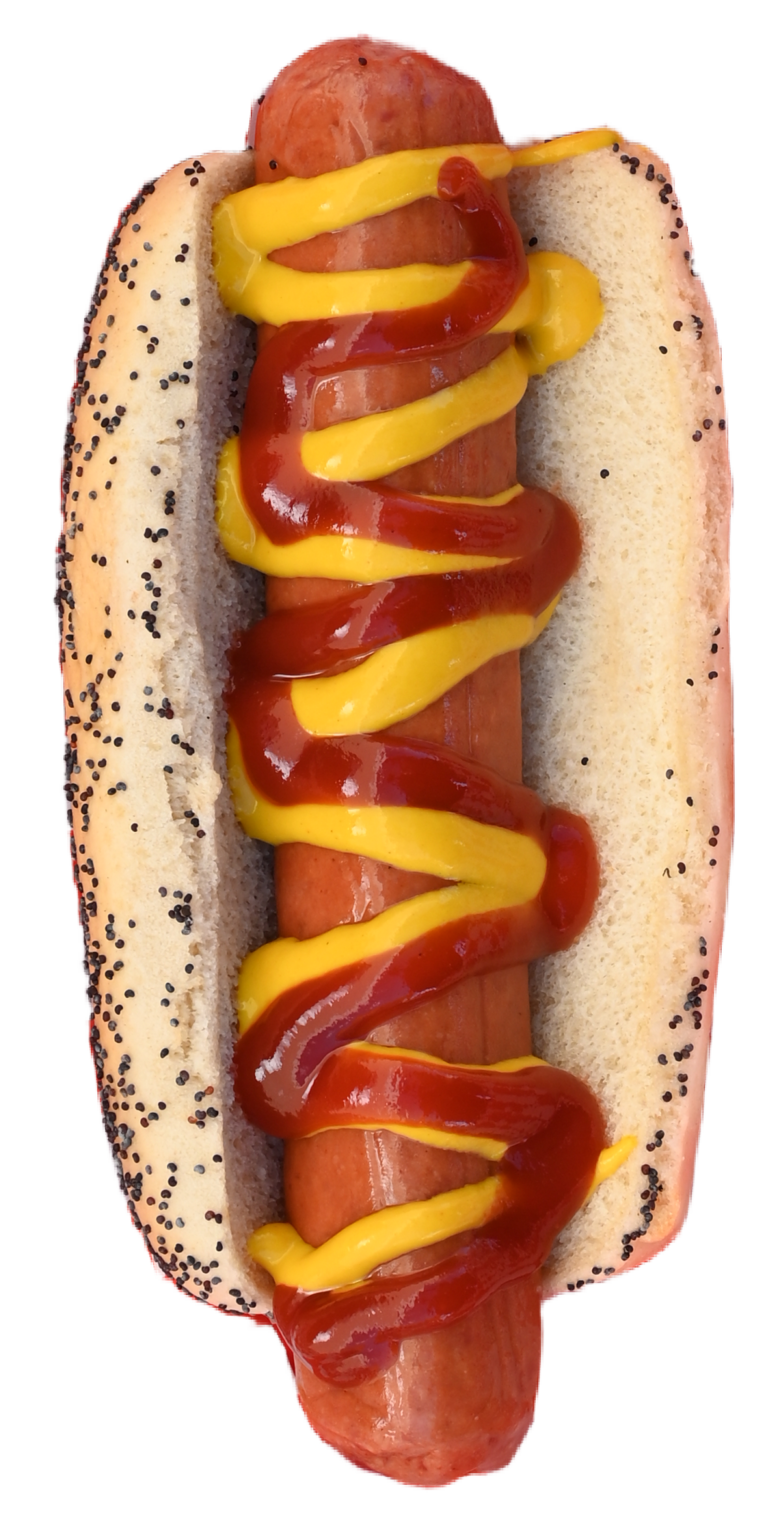


Chicago has many signature foods, but few are as instantly recognizable, debated, photographed, and defended as the Chicago hot dog. It is not just a quick lunch or a nostalgic street food. It is a local code, a culinary shorthand for the city itself. Ask ten Chicagoans what makes it great, and they will probably start with the same answer, then branch into ten different stories about neighborhood stands, late-night cravings, baseball games, and the proper way to dress a dog without ruining it.
Its fame comes from more than flavor alone. Plenty of cities have hot dogs. Plenty of places claim a local style. Chicago’s version stands apart because it combines precision, abundance, and attitude in a way that feels unmistakably urban. It is a humble food with exacting standards. It is inexpensive, but not careless. It is colorful, messy, sharp, and balanced all at once. Most of all, it has remained itself for generations, even while trends in American dining have shifted around it.
To understand why the Chicago hot dog became famous, it helps to look beyond the ingredients and into the culture that shaped it. This is a story about immigration, working-class ingenuity, Depression-era practicality, regional agriculture, neighborhood identity, and a city that takes everyday food very seriously.
More than a sausage in a bun
At its core, a Chicago hot dog is an all-beef frankfurter, typically steamed or simmered, served in a soft poppy seed bun and “dragged through the garden” with a distinct set of toppings. Those toppings usually include yellow mustard, bright green relish, chopped onion, tomato wedges or slices, a pickle spear, sport peppers, and a dash of celery salt. The whole thing is vivid enough to look almost theatrical.
That visual impact matters. A Chicago hot dog does not arrive looking restrained. It looks like a food built by a city with opinions. Red from the tomatoes, neon green relish, pale onion, yellow mustard, the briny pickle, the little peppers tucked into the bun. Even before the first bite, it signals excess with discipline. Nothing is random. Every topping plays a role.
People who did not grow up with it sometimes assume it must taste chaotic, but a good Chicago dog is surprisingly composed. The beef frank provides richness and salt. Mustard contributes acid. Onion brings bite. Tomato softens the sharper notes with a little sweetness and moisture. Pickle and relish add two different kinds of tang and crunch. Sport peppers deliver a quick, clean heat. Celery salt ties everything together with a savory, slightly herbal finish. The poppy seed bun is soft enough to compress around the toppings, which matters more than most people realize. A firmer bun would fracture the balance.
This is one reason the style became famous. It turns a familiar American food into a carefully tuned composition.
The city’s food history is written into it
Chicago’s food culture was built in part by immigrant communities, stockyard economies, street vending traditions, and a strong preference for hearty food sold at prices ordinary workers could afford. The hot dog fit that world perfectly. It was portable, inexpensive, filling, and easy to prepare at scale. But Chicago did not stop at the bare minimum. It developed a local expression of the hot dog that reflected the city’s markets and tastes.
The all-beef frank became especially important in Chicago, where meatpacking and beef culture were deeply tied to the city’s identity. Even after the old Union Stock Yards faded into history, the expectation remained. A Chicago hot dog should taste like beef, not like a generic mixed-meat frank. That richer, cleaner sausage profile gives the toppings a solid center.
The fully dressed style also has roots in thrift and practicality. During the Depression, vendors needed to offer something that felt substantial. A hot dog loaded with vegetables and condiments gave customers more volume, more texture, and more satisfaction for a small amount of money. Over time, what began as practical abundance hardened into tradition. Eventually, tradition became pride.
That trajectory is common in great regional foods. A necessity becomes a habit, the habit becomes a standard, and the standard becomes a cultural artifact. Chicago has a talent for preserving those artifacts without putting them under glass.
Why the toppings matter so much
A Chicago hot dog is famous partly because it is one of the few iconic American foods whose identity depends on a fixed ensemble of toppings. People can improvise with burgers, sandwiches, tacos, and fries and still remain within the broad category. With a Chicago dog, substitution changes the meaning.
This does not mean every stand builds it in exactly the same way. Some slice the tomatoes differently. Some pile on more relish. Some char the dog first and finish it another way. Some buns are fluffier, some tighter-grained. But the canonical set of toppings is what makes the dish legible. Remove enough of those pieces and you no longer have the real thing, at least not in the eyes of locals.
The famous ban on ketchup belongs here too. Outsiders often treat that rule as a joke or a publicity stunt. It is more useful to think of it as a flavor argument wrapped in civic theater. Ketchup is sweet, heavy, and dominant. On a Chicago dog, where relish already contributes sweetness and the tomato adds moisture, ketchup can flatten the sharper contrasts that make the whole construction work. The resistance to ketchup is partly about tradition, but it is also about preserving the intended balance.
That said, this is where Chicago food culture reveals one of its recurring tensions. The city can be generous and dogmatic at the same time. Many people will tell you to order what you like, then quietly judge you if that preference includes ketchup on a fully dressed dog. The judgment is not really about personal freedom. It is about whether the item still deserves the name.
The role of the poppy seed bun
The bun rarely gets top billing, but it is one of the reasons the Chicago hot dog works so well. Without the right bun, the toppings become unwieldy and the eating experience falls apart halfway through. The ideal bun is soft, lightly sweet, and sturdy enough to cradle a heavy load without turning gummy. The poppy seeds add a little aroma and texture, but their symbolic role is just as important. They signal that the bun is not an afterthought.
A plain bun can hold a sausage. A poppy seed bun helps define a Chicago dog.
In practice, this matters because the Chicago version is not tidy food. It should be generous enough that some toppings shift as you eat. The bun must compress, absorb, and support at the same time. If it is too dry, the tomatoes and relish will slide. If it is too dense, every bite becomes awkward. Good stands understand this intuitively. Great ones pay close attention to steam, storage, and turnover so the bun stays fresh and pliable.
People often focus on the visible drama of the toppings, but anyone who has eaten enough Chicago dogs knows the failures usually start below the sausage.
Fame built one stand at a time
The Chicago hot dog did not become famous because a single restaurant turned it into a luxury item or because a chef reinvented it for a tasting menu. Its reputation was built at neighborhood counters, curbside stands, family-run joints, and no-frills storefronts that served generations of customers. That distribution matters. It made the food democratic.
A traveler can find a famous steakhouse in many cities, but that tells only part of the story. The measure of a place often lies in its everyday institutions, the businesses that serve construction workers at 11:30, teenagers after school, office staff on lunch breaks, and families on a Saturday errand run. Chicago hot dog stands have long occupied that civic role. They are not merely places to eat. They are neighborhood fixtures with regulars, routines, and local lore.
This is one reason the hot dog became such a powerful symbol of Chicago itself. It was visible, affordable, and widely shared. You did not need a special occasion to have one. You just needed a few dollars and an appetite.
Visitors also took the style home with them, at least in memory. A great regional food becomes famous when locals love it and outsiders remember it vividly enough to talk about it later. Chicago dogs travel well as stories. People recall the impossible brightness of the relish, the absurd amount of produce on the bun, the warning about ketchup, the speed of service, the paper-wrapped package handed over a crowded counter. It all sticks.
It tastes like abundance, but it is engineered
One of the great strengths of the Chicago hot dog is that it feels exuberant without being careless. The phrase “dragged through the garden” captures the spirit, but it can give newcomers the wrong idea. The best versions are not merely overloaded. They are proportioned.
A strong stand knows how much onion is enough before it dominates. It knows that the pickle spear should provide crunch and acidity, not soak the bun. It knows sport peppers need to be noticeable, not reckless. It knows celery salt should season, not coat. Small variations have large effects because the format is compact. There is nowhere to hide.
In my experience, that is where many copycat versions outside Chicago miss the mark. They often get the ingredient list mostly right, but the assembly feels crude. Too much relish makes the bite syrupy. Thick tomato slices can force everything apart. A bland frank collapses under the toppings. Even the placement matters. Put the sport peppers in the wrong spot and every bite becomes heat-first instead of balanced.
This is not fussy cooking in the white-tablecloth sense. It is craft in the old street-food sense, the kind that comes from repetition and a clear standard.
The color and texture make it memorable
Some famous foods build their reputation on richness alone. Others trade on rarity or luxury. The Chicago hot dog wins people over partly because it offers contrast in almost every bite. That contrast is one reason it photographs well and one reason it lingers in memory.
The textures do a lot of work. You get the snap of the casing, or at least the resistance of the beef frank, then the softness of the bun, the wet crunch of onion, the firmer bite of pickle, the yielding tomato, the quick pop of peppers. The relish is sweet and cool. The mustard is sharp and smooth. Celery salt adds a final layer that many people do not consciously identify at first, but would miss if it were absent.
That combination makes the food feel alive. It is not monotone. Even a good plain hot dog can become one-note after a few bites. A Chicago dog keeps changing as you move through it. One bite leans bright and vinegary, the next more savory and beefy, the next a little hotter because a sport pepper shifted position.
For a food often dismissed as simple, it offers remarkable complexity.
The no-ketchup rule became part of the mythology
There are regional foods with rigid expectations, and then there is the Chicago hot dog. Its hostility toward ketchup has become national folklore, repeated in travel articles, food television, sports broadcasts, and airport conversations. A lot of that attention is playful, but the rule has helped the hot dog become more than a dish. It became a test of belonging.
Every city has foods that double as local passwords. In Philadelphia, order and language matter at cheesesteak counters. In Texas barbecue, asking for sauce can produce a particular look. In Chicago, ketchup on a hot dog tells people whether you know the script. That script, more than many realize, is part of the product.
Fame often depends on story as much as taste. The Chicago dog has both. It tastes distinctive, and it comes with a built-in narrative. People love foods with rules. They especially love breaking those rules or defending them. Either way, the discussion keeps the food in circulation.
Still, the mythology would not survive if the hot dog itself were mediocre. Plenty of foods have quirky customs attached to them and never gain national staying power. Chicago’s hot dog lasts because the style is genuinely good, not just because locals can be dramatic about ketchup.
Why it thrives at sporting events and street corners
The Chicago hot dog occupies a sweet spot between meal and snack. It is substantial enough to satisfy, but quick enough to eat standing up. That makes it ideal for the environments where many city food traditions become famous: ballparks, sidewalks, transit-adjacent stands, and busy commercial strips.
Chicago has long been a city of movement. People commute, walk, transfer, queue, and eat between obligations. The hot dog fits that rhythm. It can be handed over in seconds, consumed without cutlery, and paired with fries, a soda, or another local favorite. Yet unlike some grab-and-go foods, it still feels specific to place. You are not just eating any hot dog. You are eating a Chicago hot dog.
At a practical level, it also satisfies multiple cravings at once. Salty, tangy, fresh, spicy, soft, crunchy. That breadth is part of its mass appeal. A burger often asks you to commit to richness. A plain dog leans narrow. The Chicago version widens the spectrum without becoming slow or precious.
That utility helped spread its fame. Foods that become famous nationally usually offer a strong sense of place while remaining easy to understand. The Chicago dog does exactly that.
It reflects the city’s personality
If you had to explain Chicago’s self-image through one handheld food, the hot dog would be a strong candidate. It is straightforward, but not plain. It is working-class in spirit, but exacting in standards. It is generous without being elegant. It does not ask for reverence, but it absolutely expects respect.
There is also a certain defiant practicality to it. Chicago is not interested in a tiny garnish or a minimalist gesture here. If vegetables are going on the dog, they are really going on the dog. If the sausage is beef, it should taste like beef. If a style exists, then the city is going to defend it loudly and repeatedly.
That personality match helps explain the food’s longevity. Some regional specialties become famous because they are old. Others because they are unusual. The Chicago hot dog remains famous because it still feels like an honest expression of the place that made it.
What separates a good one from a great one
For all the mythology around the style, not every Chicago hot dog is equally impressive. A decent version can still satisfy. A great one has a precision that becomes obvious after the second or third bite.
A few details usually separate the memorable examples from the forgettable ones:
- The frank tastes distinctly beefy and is served hot all the way through.
- The bun is fresh, soft, and able to hold the toppings without tearing.
- The vegetables are crisp and properly proportioned.
- The mustard, relish, peppers, and celery salt are assertive but balanced.
- The whole thing is assembled tightly enough to eat, loose enough to feel generous.
Notice what is not on that list: novelty. Great Chicago dogs are rarely the ones trying hardest to innovate. Cheese sauce, bacon crumbles, fried onions, or specialty aiolis may produce a perfectly enjoyable hot dog, but they tend to push the dish into another category. Chicago’s famous version succeeds by resisting that impulse.
This restraint is part of its professionalism as a food tradition. A stand that knows its identity does not need gimmicks. It needs consistency, speed, and ingredients that pull their weight.
Can it be reproduced outside Chicago?
Yes, but not easily. The ingredients can be sourced in many places now, and some shops outside Illinois do an admirable job. Still, the full effect is hard to duplicate because so much depends on execution and context.
Context is not mystical. It is practical. In Chicago, high-volume stands turn over buns quickly, prep toppings constantly, and build these dogs all day. That repetition sharpens technique. Customers also know what to expect, so the standards remain visible. In a market where the style is less common, a shop may sell too few of them to maintain the same rhythm. Tomatoes sit a little too long. Buns are not quite right. Sport peppers are replaced with something close but not correct. The relish misses the mark. None of these errors is catastrophic on its own. Together, they blunt the effect.
There is also the matter of expectation. Eating a Chicago hot dog in Chicago means eating it in a place where the food still has social context. You are participating in a living local habit, not just sampling a regional specialty from afar. That always changes the experience.
Why it still matters
The Chicago hot dog remains famous because it solves a difficult culinary problem elegantly. It takes a cheap, common format and turns it into something specific, balanced, and culturally durable. It is distinctive enough to attract tourists, but everyday enough to remain beloved by residents. It carries history without becoming a museum piece.
Fads come and go in American food. Gourmet toppings surge, then recede. Retro diners become fashionable, then ironic, then fashionable again. Through all of that, the Chicago dog has held its ground because it never depended on novelty. It depended on flavor, repetition, and communal agreement about what the thing should be.
That agreement has real power. In a fragmented food culture, there is something remarkable about a dish so widely recognized https://www.google.com/maps?cid=14895214581080491932 in its proper form that a missing pickle spear or an unauthorized squeeze of ketchup can start an argument. Those arguments, however exaggerated, are signs of life. They show that the food still matters enough to defend.
A famous food should be more than well known. It should be memorable, replicable only up to a point, and anchored to a place so firmly that eating it tells you something about where you are. The Chicago hot dog checks every box. It is bright, brash, practical, and exact. It is one of the few American street foods that feels complete, nothing extra needed, nothing missing. That kind of clarity is rare. It is also why the Chicago hot dog is not just famous, but enduring.
Under Construction Hot Dogs
1225 W U.S. Hwy 50, Pueblo, CO 81008
FAQ About hot dog
What are different types of hotdogs?
Under Construction Hot Dogs offers a classic all-beef hot dog, a quarter-pound Jumbo Dog, a Chili Dog, and a Chicago Dog, along with brats and a Spicy Link.
What does a chili dog have on it?
Our Chili Dog pairs a Vienna all-beef hot dog with chili, shredded cheddar cheese, and finely diced onions.
What is in a traditional Chicago dog?
Our Chicago Dog comes on a steamed poppy seed bun with yellow mustard, bright green relish, onions, tomato wedges, a pickle spear, sport peppers, and celery salt.